What Homeowners Should Know
Spring has arrived in Georgia and Tennessee, bringing warmer days, blooming flowers, and fresh growth. But before you sit back and enjoy the season, there’s an important task that shouldn’t be overlooked: a thorough spring tree health check.
While winter may appear peaceful, it often leaves behind damage you can’t immediately see. Ice storms can weaken branches. Heavy rainfall can stress root systems. And dormant pests are ready to emerge, targeting vulnerable trees weakened by months of cold weather and fluctuating temperatures.
Spring offers a critical window to inspect your trees before summer storms roll in and growth accelerates. Catching issues early, whether it’s fungal disease, structural damage, or root stress, can save you thousands in emergency removals and protect your property from hazards.
In this guide, we’ll walk you through what to look for during your spring tree health check in Georgia and Tennessee, from common disease signs to structural red flags, and when it’s time to bring in a certified arborist.
Why Spring Inspections Matter in the Southeast
Georgia and Tennessee experience unique post-winter conditions that make spring tree health assessments essential. Unlike regions with consistent cold, the Southeast faces freeze-thaw cycles that can crack bark, split branches, and weaken tree structure. Add in heavy winter rain and early pest emergence, and you have a perfect storm of potential problems.
Winter stress doesn’t always show up immediately. A tree might look fine from a distance, but closer inspection can reveal hidden damage: small cracks in the trunk, branches sagging under residual ice weight, or roots struggling in waterlogged soil. These vulnerabilities make trees more susceptible to spring pests and pathogens that thrive as temperatures rise.
Conducting a tree health assessment in Atlanta or Nashville before leaves fully emerge gives you a clearer view of the tree’s structure. Once foliage fills in, spotting damage becomes much harder. Identifying problems now, before summer thunderstorms test your trees, can prevent costly emergency services later.
Early Signs of Disease to Watch For
Spring is when dormant diseases begin to flare up. Warmer temperatures and increased moisture create ideal conditions for fungal infections and pest activity. Here’s what to look for:
- Fungal Leaf Spots: One of the first signs of trouble is discolored or spotted foliage appearing in early spring. Fungal leaf spots often start small but can spread quickly, weakening the tree over time. While some varieties are more cosmetic than harmful, persistent infections can stunt growth and reduce the tree’s ability to photosynthesize.
- Cankers: Cankers are sunken, discolored areas on bark that indicate underlying infection or physical damage. They can appear on trunks or branches and often signal that the tree is under stress. Left untreated, cankers can girdle branches or trunks, cutting off nutrient flow and eventually killing sections of the tree.
- Borers: Insects like borers tunnel into weakened trees, leaving behind telltale signs: small holes in the bark, sawdust-like frass near the base, and visible exit wounds. Borers are attracted to stressed trees, so if you notice activity, it’s a sign your tree is already compromised.
- Visual Cues: Other warning signs include unusual bark texture, premature leaf drop, oozing sap, and dead branches. If you spot any of these symptoms, early intervention, such as targeted treatments or pruning, can often save the tree and prevent the issue from spreading to nearby plants.
Spotting Structural Issues After Winter Storms
Winter weather in the Southeast can be unpredictable. Ice accumulation, high winds, and heavy snow put immense pressure on tree limbs and trunks. Even if a tree appears intact after a storm, hidden damage may lurk beneath the surface.
What to Look For
Inspect your trees from multiple angles, paying close attention to:
- Cracks in trunks or major branches: These can compromise the tree’s structural integrity and increase the risk of sudden failure.
- Splits at branch unions: Where branches meet the trunk is a common weak point. Look for separations or V-shaped unions that may have widened under stress.
- Changes in lean: A tree that’s shifted position, even slightly, may have root damage or instability.
- Exposed wood or fresh wounds: Damaged bark exposes the tree to disease and insect infestation.
Why It Matters
Weakened tree structure is dangerous. During summer thunderstorms, which Georgia and Tennessee see plenty of, compromised limbs can fall, damaging property, vehicles, or worse, injuring people. Structural damage doesn’t heal on its own. If you notice any of these issues, document them with photos and contact a certified arborist for a professional evaluation.
Recognizing Root Stress from Excess Winter Rain
Heavy winter rainfall is common throughout Georgia and Tennessee. While water is essential for tree health, too much can saturate soil, leading to root stress and even root rot. Root problems are particularly concerning because they’re harder to detect than above-ground damage.
Symptoms of Root Stress
Watch for these signs:
- Yellowing leaves or stunted growth: Even though it’s spring, new growth may appear weak or discolored.
- Mushrooms near the base: Fungal growth around the trunk or root zone can indicate decay below the surface.
- Instability: A tree that seems loose or rocks slightly in the wind may have compromised roots.
Soil Drainage and Compaction
Poor drainage and compacted soil prevent roots from accessing oxygen and nutrients. If your yard tends to hold water or has heavy foot traffic, roots may struggle. Avoid parking or placing heavy equipment near the root zone, as this can worsen compaction.
Prolonged root stress doesn’t just weaken the tree; it makes it more vulnerable to disease, pest infestation, and toppling during storms. If you suspect root issues, schedule a tree inspection in spring to assess the extent of the damage.
DIY Monitoring vs. Calling a Certified Arborist
So, when should you schedule a tree inspection in spring, and what can you safely assess on your own?
What Homeowners Can Check
You don’t need specialized training to spot some warning signs. Here’s what you can safely monitor:
- Visible damage to bark, branches, or trunks
- Changes in leaf color or premature leaf drop
- Obvious pest activity (like holes, frass, or visible insects)
- Shifts in the tree’s posture or lean
Take photos and notes of anything that seems off. This documentation can be helpful if you need to bring in a professional later.
When to Call a Professional
Some situations require the expertise of a certified arborist:
- Large or mature trees with structural concerns: The bigger the tree, the higher the risk if something goes wrong.
- Trees near homes, power lines, or high-traffic areas: Hazardous trees require professional assessment and removal.
- Signs of advanced disease or extensive pest infestation: Early tree pest problems in Tennessee and Georgia can escalate quickly without proper treatment.
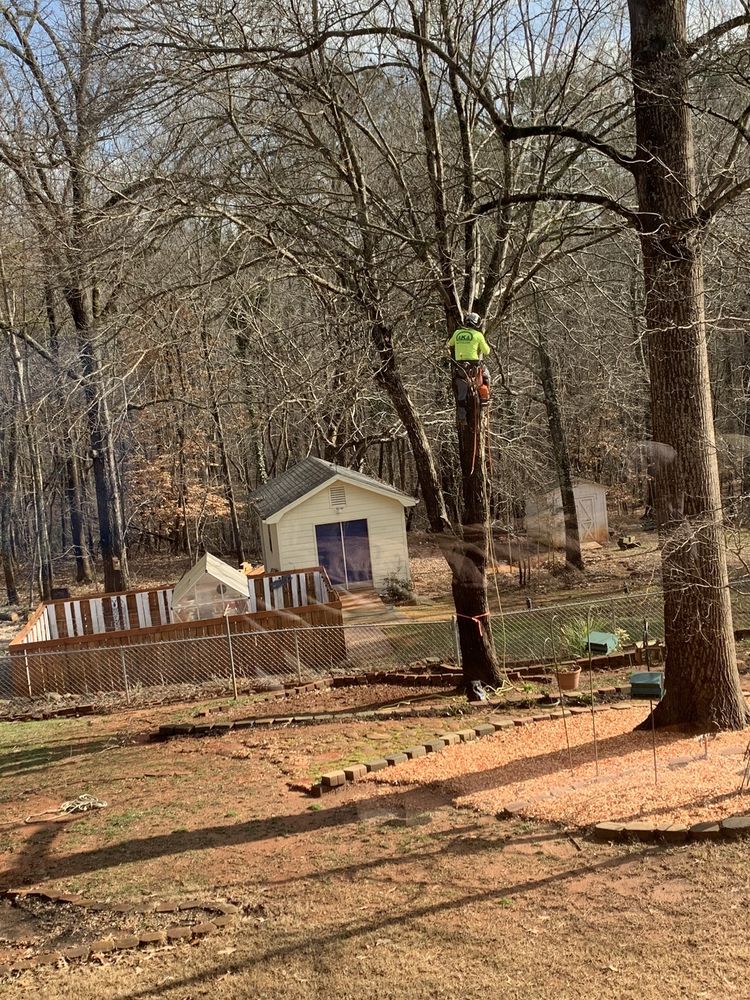
- Any situation requiring climbing or specialized equipment: Tree work is dangerous. Leave it to the experts.
Certified arborists have the training, tools, and experience to accurately assess risk and recommend the best course of action. At AKA Tree Service, our team includes over 10 ISA-Certified Arborists who specialize in identifying and treating regional tree issues. We understand the unique challenges that Georgia and Tennessee trees face, and we’re here to help.
Schedule Your Spring Tree Inspection Today
Spring is the optimal time to catch tree problems early, protect your property, and ensure your trees thrive through the summer. Proactive care is far more affordable, and safer, than emergency tree removal after a storm.
If you’re a homeowner in Georgia or Tennessee, don’t wait until visible damage appears. A professional tree health assessment can identify hidden issues, recommend treatment, and give you peace of mind before storm season arrives.
Contact AKA Tree Service today to book your spring tree health check and cut with confidence. Our experienced team is ready to help you keep your landscape healthy, beautiful, and safe.